

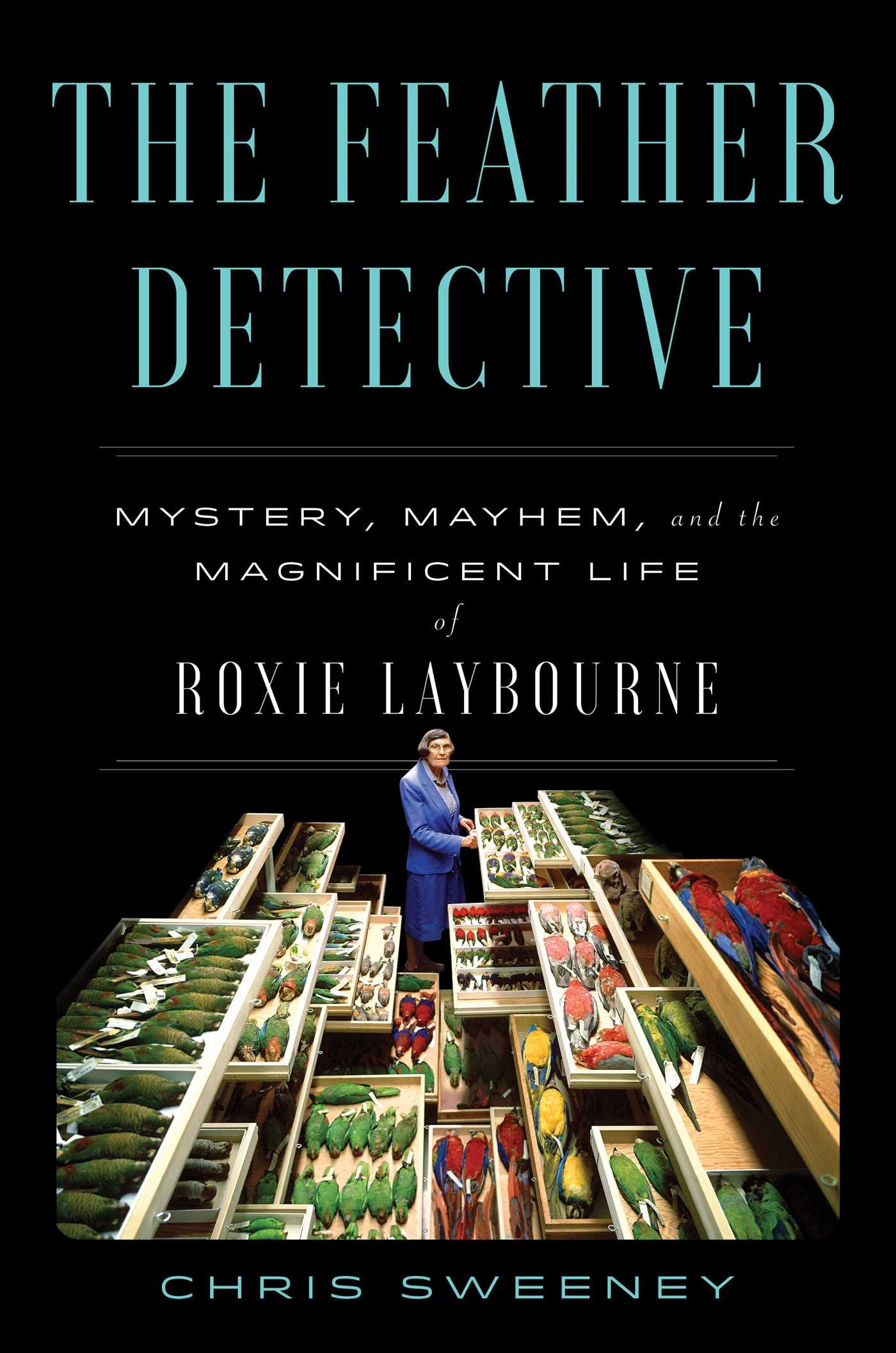
The Feather Detective
A fascinating book about an amazing woman

Chris Sweeney and I have kind-of-sort-of known each other for many years—you’ll find out how in a minute—and he’s written a really interesting book that combines many of my interests: forgotten women from history, crime, and nature and science. Here’s our conversation about it, and we’re doing a giveaway at the end! Post any kind of comment and we’ll select a winner.
AMY: First, I want to explain how we know each other. Many years ago, you were writing for Popular Mechanics, and you published this piece on the 18 strangest gardens in the world. Miraculously, you put my poison garden at #8 on the list. This is a garden I planted while I was writing Wicked Plants, a book about deadly and dangerous plants.
Although I no longer have the garden, that very impressive title has followed me ever since. You would not believe how often I'm introduced at an event and the host will mention that I have one of the 18 strangest gardens in the world. I think this honor has given me more traction than any literary award ever could. When you reached out to me about your new book, I couldn't believe that you remembered me, but I definitely remembered you!
CHRIS: I love hearing this so much! And it’s a nice (and important) reminder that even small or offbeat assignments can be consequential in ways that are impossible to anticipate. It turns out that I actually first interviewed you in 2009 for a different Popular Mechanics piece, around the release of Wicked Plants. That was my second-ever paid freelance assignment, and I got an advanced copy of your book, so I felt like real hot stuff. I was so green, and you were so kind and enthusiastic that it left an impression. To now learn that the strangest garden honor I bestowed on you all those years ago is part of your public persona is so fun and one of the more uplifting outcomes of the whole blurbing process.
AMY: And here we are now, all these years later. I was very interested in your new book because it hits so many of my own very specific interests: Birds, weird science, murder and mayhem, and brilliant women from generations past whose stories have not been told. I know everyone's going to ask you this, but: How did you find this story?
CHRIS: It came about through a series of unusual and amusing assignments for Audubon magazine. In 2016, I went to the National Fish and Wildlife Forensics Laboratory in Ashland, Oregon to profile the resident forensic ornithologist, a guy named Pepper Trail. At the time, he was investigating the illegal trade of chuparosas—hummingbirds that had been killed, dried out, and turned into ornate good luck charms. Over beers, he mentioned that the history of forensic ornithology traced back to a little old woman who worked in the Smithsonian named Roxie Laybourne. I jotted the name down and it sort of got stuck in my head. After some poking around, I learned that the Smithsonian conducted extensive oral histories with Roxie before she died. But the material could not be used publicly until 2020, so I put a reminder in my calendar for many months ahead and kept writing.
Then a year or two later, Audubon sent me to the Everglades to report on how the exotic reptile trade is harming native birds. I linked with a researcher who was studying the dietary habits of invasive Burmese pythons, and she explained that after extracting digested bird remains from the snake guts, she often had to send them up to the Smithsonian for identification. So I put in a call to the Smithsonian, and connected with Carla Dove, who happens to be Roxie Laybourne’s protégé. When I told her I live in Boston, Carla told me that the first case Roxie ever worked on was an airplane that crashed after hitting some starlings while taking off from the airport here, killing more than 60 people. It felt serendipitous and I was pretty committed at that point to getting the oral histories and figuring out Roxie’s story.
AMY: YESSSS! I completely get this. To me, this is how great book ideas start: You hear some tiny detail about a thing you weren't even looking for and jot it down. If there's great source material and nobody's already written that book, you're off to the races. I can totally relate to the excitement of stumbling into something like that.
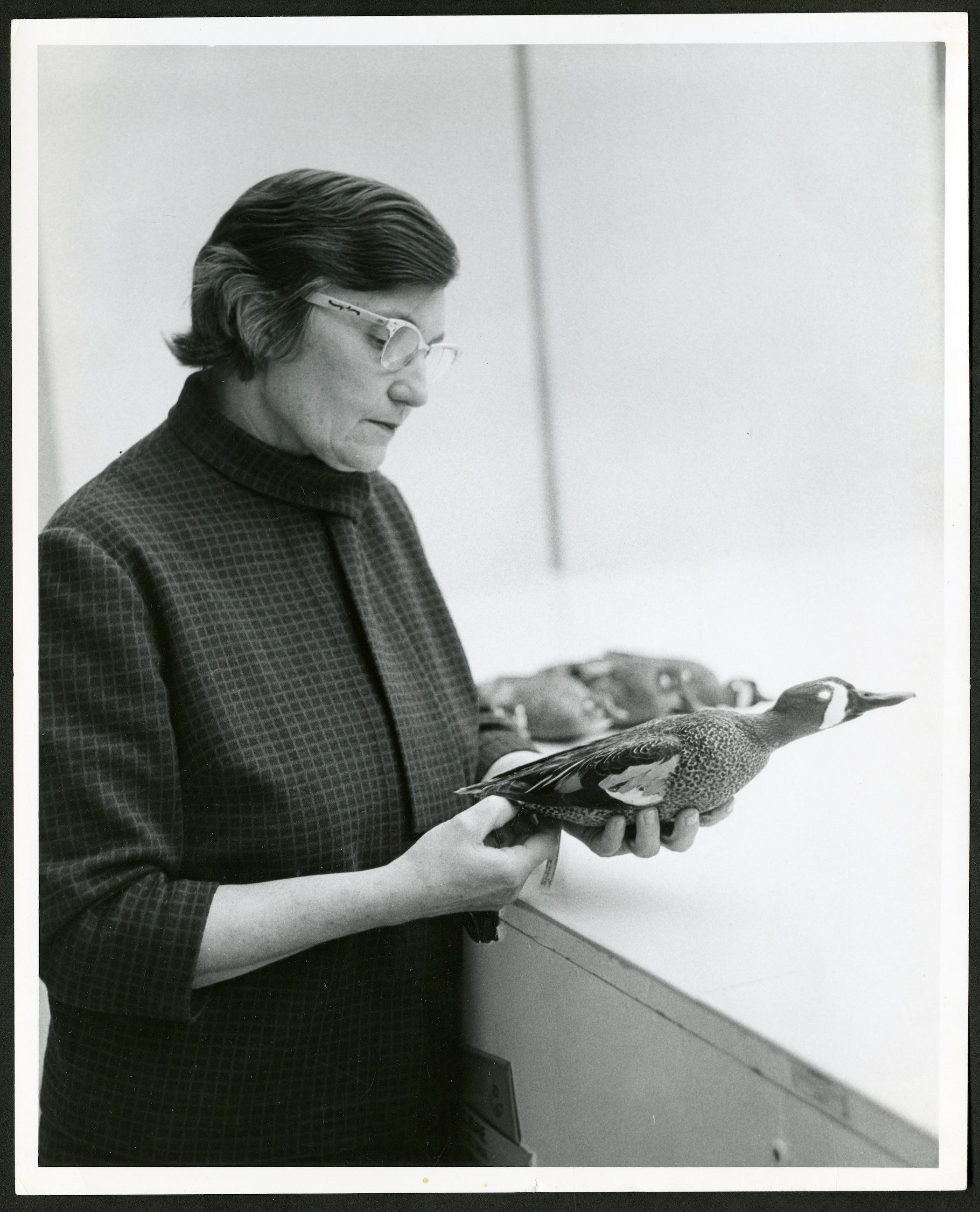
So this book was full of so many surprises. First, that until Roxie came along, nobody really knew how to identify a bird from a feather or fragment of a feather. Second, that feathers could be so useful in solving crimes, determining the cause of plane crashes, and so on. But Roxie herself was the biggest surprise! Without giving too much away, what do you want people to know about her and how she went about her work?
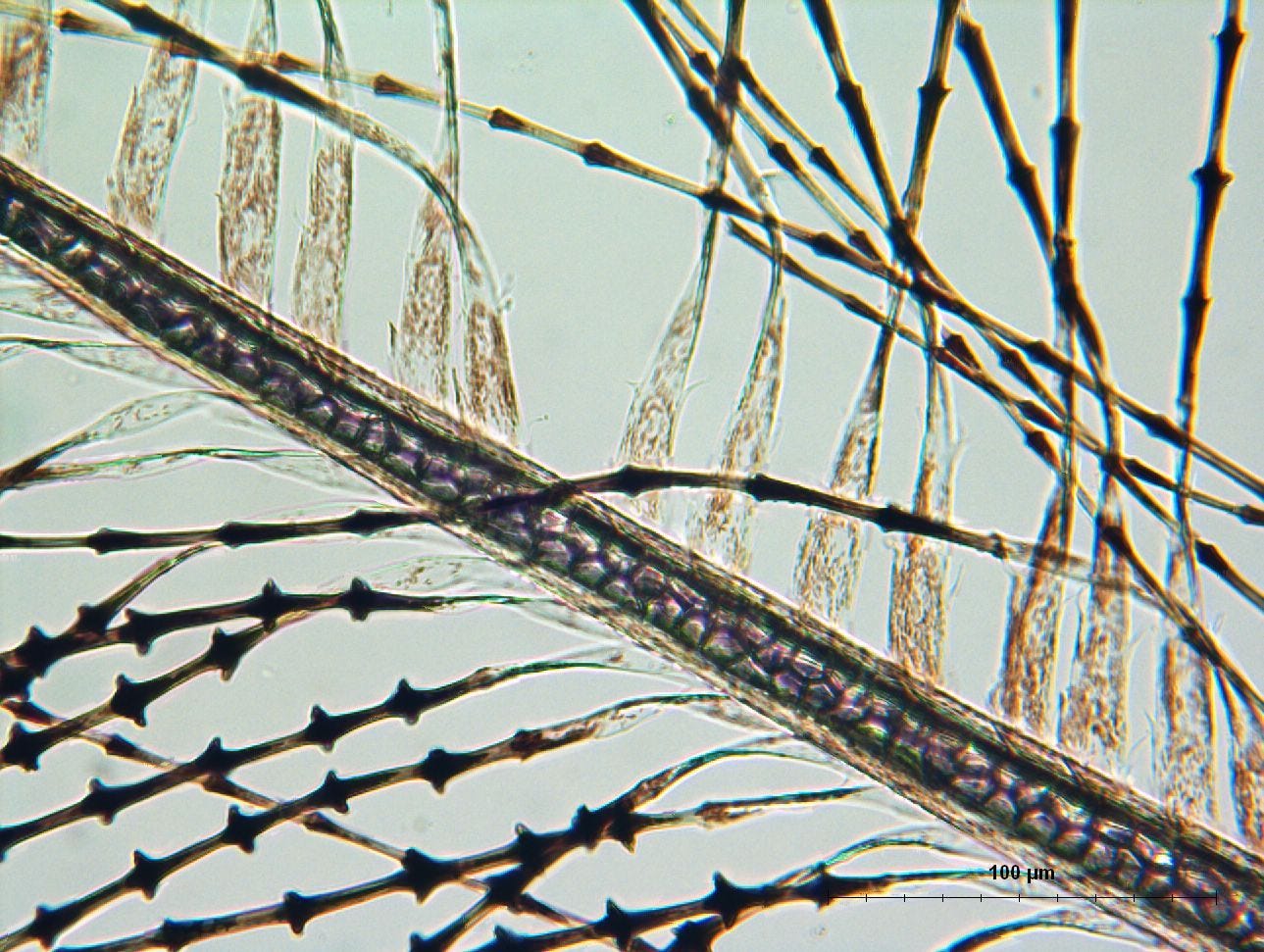
CHRIS: Something I love about Roxie is that she didn’t start working on feather identification until she was 50 years old. She had lived a very full life up until that point, making headlines in the 1930s as the first woman taxidermist in North Carolina, surviving and divorcing an abusive husband, and toughing it out for 15 years in the Smithsonian National Museum of Natural History. And then at age 50, when most people start peering fondly toward retirement, she’s asked to figure out how to identify shreds of feathers— and oh by the way, the birds in question caused an accident that killed 62 people. Imagine that?
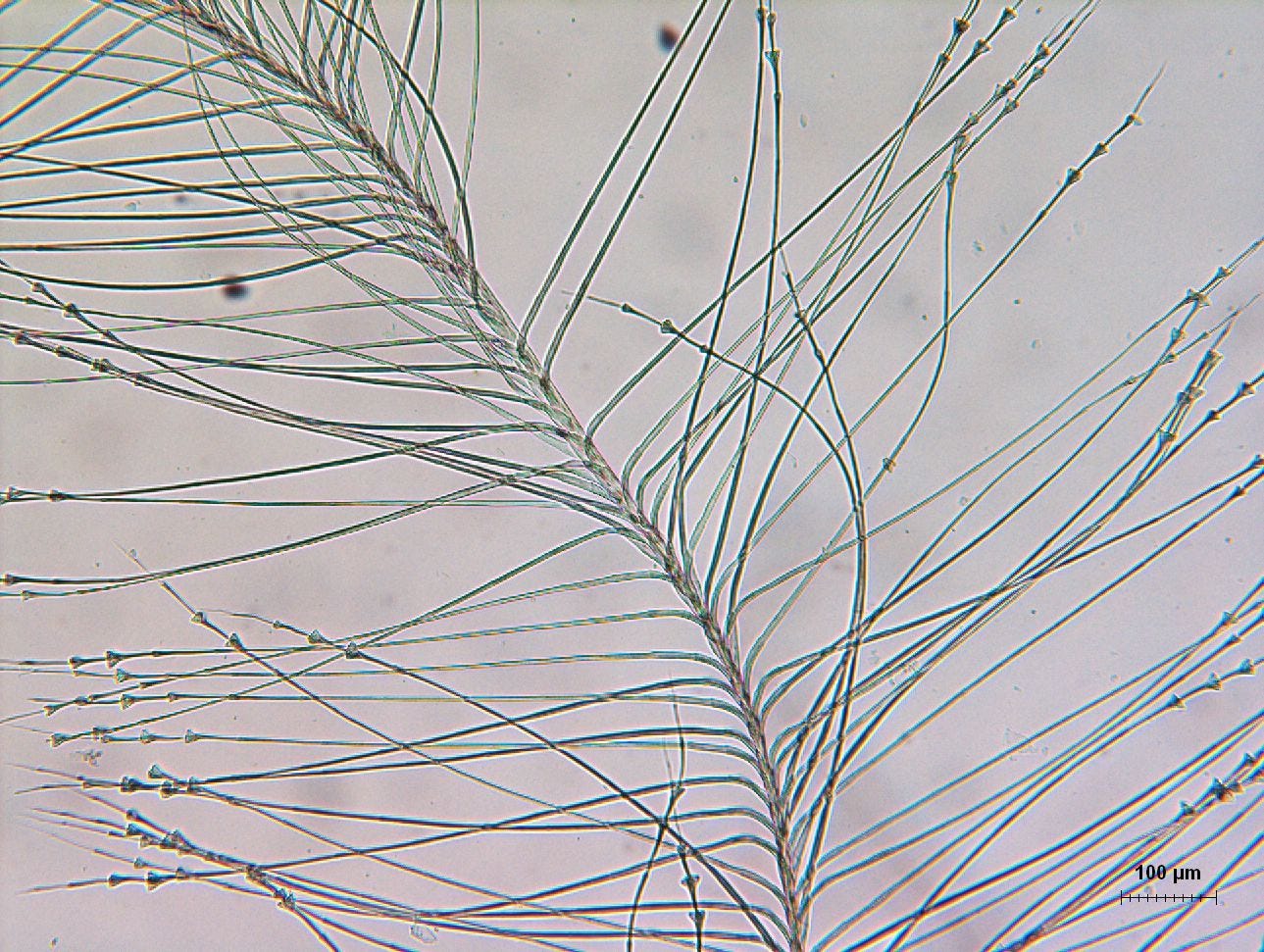
And I think because she was older when she started down this path, she was more willing and better able to commit every bit of herself to her science. It wasn’t easy and it affected her personal relationships. She was obsessive, she was a workaholic, and at times she was ornery—but the problem at hand required an obsessive workaholic with the highest standards.
She didn’t rush her feather education and she didn’t look for hacks or short cuts. She spent the next four decades diligently studying bird remains that were either collected at crime scenes or scraped off the side of airplanes. And doors just kept opening for her: At age 62, she testified in her first murder trial. At age 77, she and a bunch of federal agents raided the property of John Kluge, then the second-richest man in America, as part of a poaching investigation.
A lot of people, myself included, feel impostor syndrome or a sense of dread when we embark on something new later in life, especially something that is difficult or ambitious. Roxie’s the antidote, the epitome of “it’s never too late to learn,” because she stayed open to new experiences and was always trying to learn something new up until the day she died.
AMY: Yeah, it makes me feel like there's hope for us all. Also, I totally want to watch the Netflix series of her life, ideally with Shonda Rhimes producing it and somebody like Frances McDormand playing Roxie. Please tell me that's happening. Also, are you going to be on tour, or what's coming next for you?
CHRIS: Ha, love the idea of casting Frances McDormand to play Roxie! It really would make a hell of a scripted series. No tour for now, just some sporadic readings (will keep readers updated on my Instagram about these). As for what's next, I don’t know yet—just going to try to stay curious and see what unfolds while trying to enjoy seeing my first book come into the world.
Giveaway!
Post any kind of comment and we’ll choose a winner, contact you for your mailing address, and mail you a copy of The Feather Detective.
Supporters are doing something awesome in a sketchbook
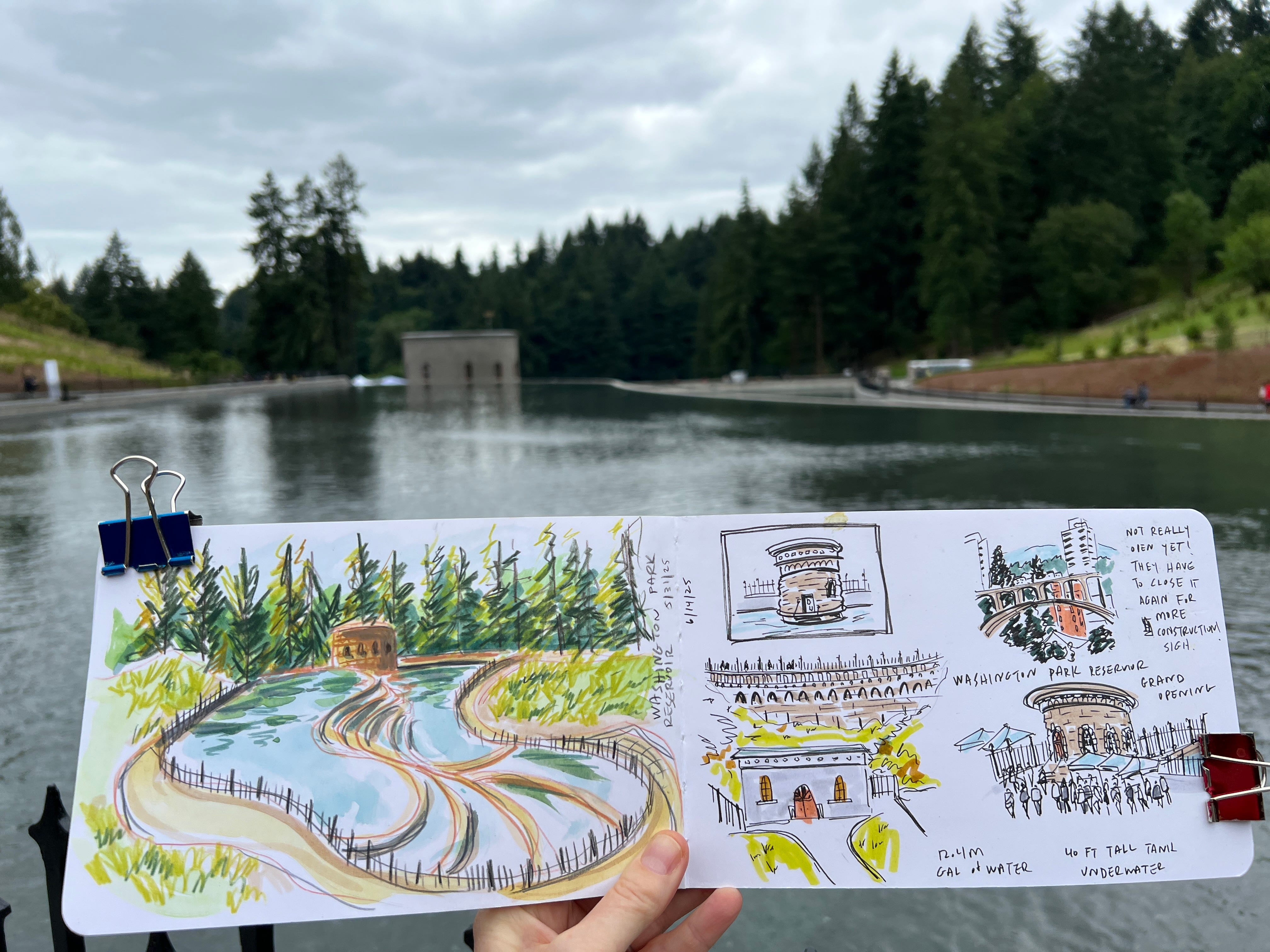
Every week, supporters get a second email that includes a video lesson, a step-by-step drawing guide, or some other bit of sketchbook-related inspiration. For just a few bucks a month, you can get in on this and also dive into a quite substantial archive. Join us!
The Bit at the End
Did you know I have a reader survey? It’s a fun set of questions. You might enjoy it!
Come find me on Instagram, or see paintings for sale- Right here
Order signed copies of some of my books from my husband’s bookstore, or order my books and many books I love at Bookshop.org
Take one of my online writing or art classes here
Leave a comment! I love to hear from you.
Fascinating article, but all the way through, as a 94 year old, I kept puzzling why on earth a popular mechanics magazine would print an article about strange gardens of the world. What is the connection? Lawnmowers?
Amazing how a whole book can come from such a quick mention of someone!